Are you fighting INFLAMMATION and need help?
An anti-inflammatory diet is a way of eating that focuses on whole, minimally processed foods to help support the body’s natural ability to manage inflammation. This matters because long-term, ongoing inflammation is linked with a higher risk of chronic health problems. An anti-inflammatory pattern typically emphasizes vegetables and fruits, whole grains, beans and lentils, nuts and seeds, healthy fats like olive oil, and omega-3-rich foods like salmon, while limiting ultra-processed foods and added sugars.[1][2]
Breakfast
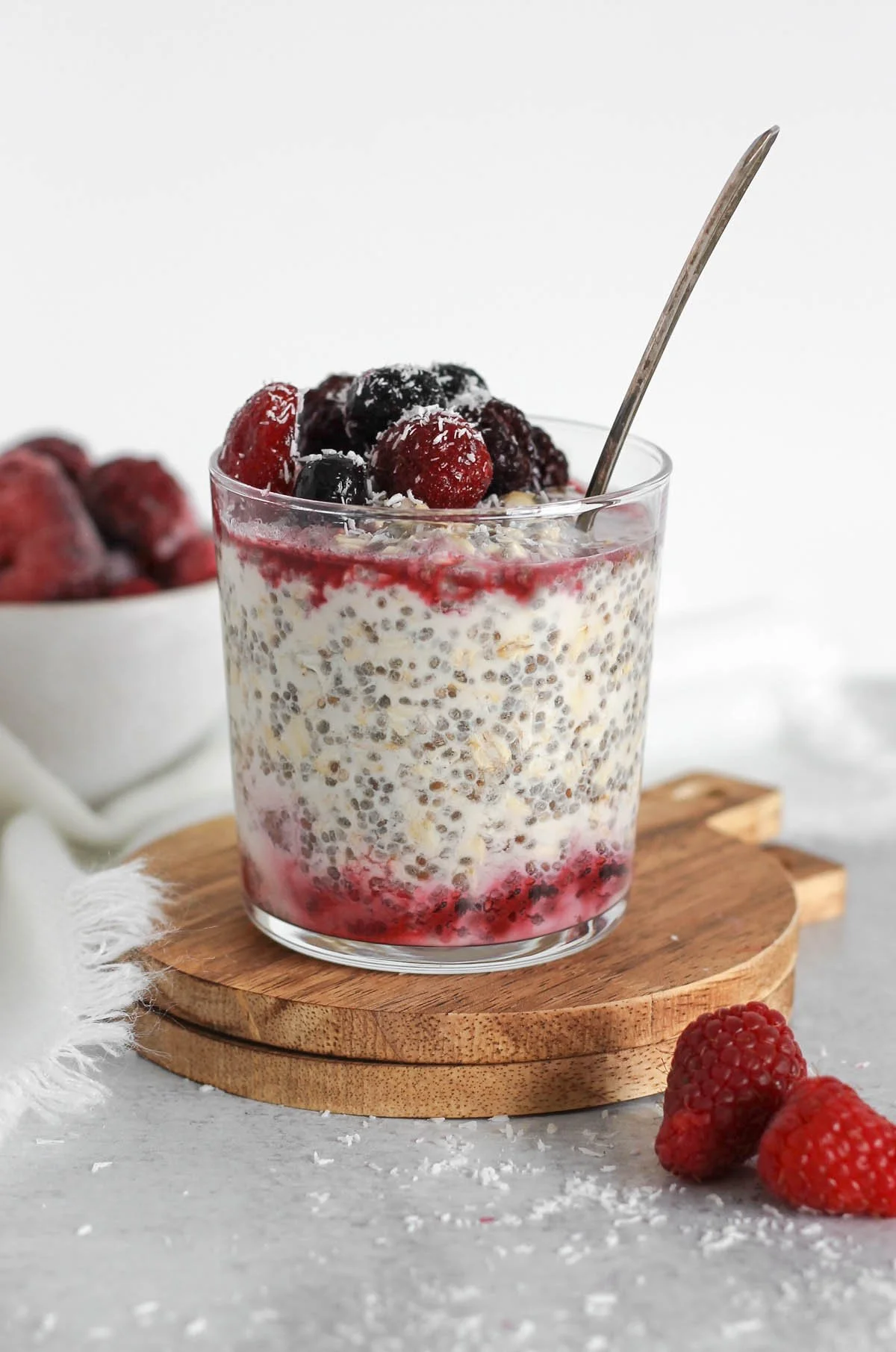
Overnight oats with berries, chia, cinnamon, walnuts
What to eat
Rolled oats + chia seeds + unsweetened milk (or yogurt) + cinnamon
Top with blueberries (or mixed berries) + walnuts
How it supports an anti-inflammatory pattern
Berries provide antioxidants (including polyphenols) that help counter oxidative stress, which is linked with inflammation.
Chia + walnuts add plant omega-3s and fiber, which support heart health and gut health.
Cinnamon is one of the herbs and spices often included in anti-inflammatory eating patterns.

Lunch
No-cook white bean & spinach caprese salad
What to eat
Spinach + white beans + tomatoes + basil + olive oil + balsamic
Optional: a little mozzarella
How it supports
Beans + leafy greens add fiber and a lot of micronutrients, which is a cornerstone of anti-inflammatory eating patterns.
Olive oil is a key fat in anti-inflammatory patterns (Mediterranean-style)
This kind of meal is naturally low in ultra-processed ingredients, which Harvard notes can promote inflammation.

Dinner
Sheet-pan salmon, broccoli, and sweet potato (olive oil + garlic + lemon)
How it supports
Salmon is rich in omega-3 fats, which are commonly recommended in anti-inflammatory eating patterns.[1]
Vegetables (like broccoli) support an overall “whole foods” pattern linked with lower inflammation risk.[2]
Using olive oil instead of butter-based sauces is specifically suggested as an anti-inflammatory swap.[3]